

- Endodontic Surgery
- Impacted Teeth
- Implant
- Jaw Tumors
- Jaw Cysts
- Jaw Fractures
- Sinus Lifting and Alveolar Bone Operation
- Surgery Before Prosthesis
- TemPoromandibular Joint
- Moving Division Protheses
- Total Prosthesis
- Porcelain Teeth
- Porcelain Lamina
- Aesthetic Fillings
- Full Porcelain Restorations (Empress)
- Teeth Whitening
- Smile Design
- Zirconia Infrastructure Teeth
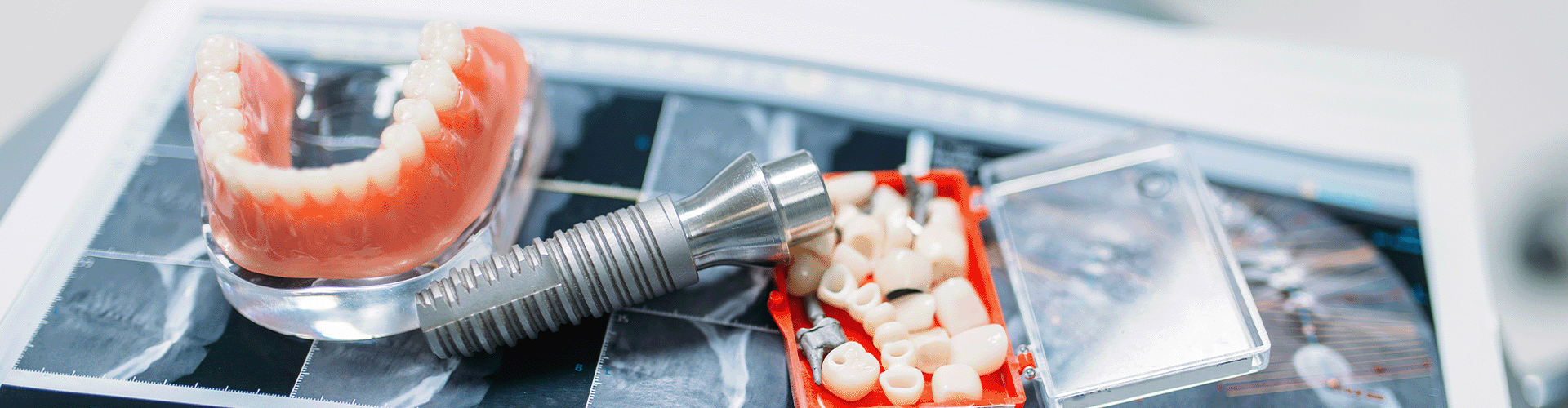
Dental prostheses are devices, applied by the oral and dental health unit, that help solve the problems of damaged teeth or missing teeth. It also improves the smile. In summary, it is a treatment method that offers both functional and aesthetic solutions.
What is Prosthesis?
Prosthesis are materials that serve the purpose of repair or replacement in case of damage to both teeth and surrounding tissues. It aims to improve the loss of function, correct the speech problem and provide an aesthetic appearance again.
What is Moving and Fixed Prosthesis?
There are two types of prostheses in this category: Fixed and Moving Prosthesis. Fixed prostheses are dental restorations made from materials that match the color and texture of the teeth and they are attached to the relevant site permanently. Moving prostheses, on the other hand, are "appliances" that replace missing teeth and these are removable. Moving prosthesis is mainly used to describe “crown prosthesis” and “bridge prosthesis”. Fixed prostheses cannot be removed by the patient, however, the patient can easily remove and put on moving prostheses whenever he wishes.
How Are Moving Prostheses Placed?
In a fixed prosthesis, a special crown is made for the missing tooth area. Tooth support is provided by connecting the prosthesis to neighbor teeth. Fixed prostheses can also be attached to implants. In removable prostheses, the situation may become a little more extensive. It can be applied both if there is multiple tooth loss and if there is no tooth in the mouth. Prostheses can be supported by jaw tissue, by teeth (possible in case of multiple tooth loss), or by implants. The patient can remove these dental prostheses and wear them by putting them back. The types of support devices that allow the moving prosthesis to stay in the mouth may vary.
Types of Moving Prosthesis
The variety of removable prostheses is an important advantage for patients. There are prosthesis types such as “immediate, total and partial”.
Total Prostheses are applied when there are no natural teeth left in the mouth. These devices are supported by the lower and upper jaw bone tissue. It can be said that porcelain teeth are mostly preferred.
Immediate prostheses come into play in the situation where all the natural teeth will be extracted. If the patient does not want to wait without teeth until the permanent teeth are made, the immediate prosthesis is placed immediately after the natural teeth are extracted and when the time comes, the patient's permanent teeth are placed.
Partial Prosthesis is a method applied to patients who are not completely toothless. Some of the natural teeth have been extracted and the rest is in the mouth. A removable partial prosthesis is made suitable for the space between the extracted teeth.
Moving Prosthesis Recovery Period
Prostheses, whether fixed or removable, require a certain period of time for the patient to get used to them. Conditions such as sensitivity, and inability to adapt may vary depending on which type of prosthesis is applied.
The patient's psychological condition and mouth structure also have an effect on getting used to them. It is normal to find prostheses strange at first. You may feel like prostheses are too big for your mouth. It's also normal to feel like your lip look is changed, or your cheeks become extra full. In addition, it is necessary to convey the information that upper prostheses are easier to get used to. As an effect of the process, the salivary gland may work intensively in the first period after the prosthesis is placed, which may cause the amount of saliva to be much more than normal. These effects will fade out over time.